



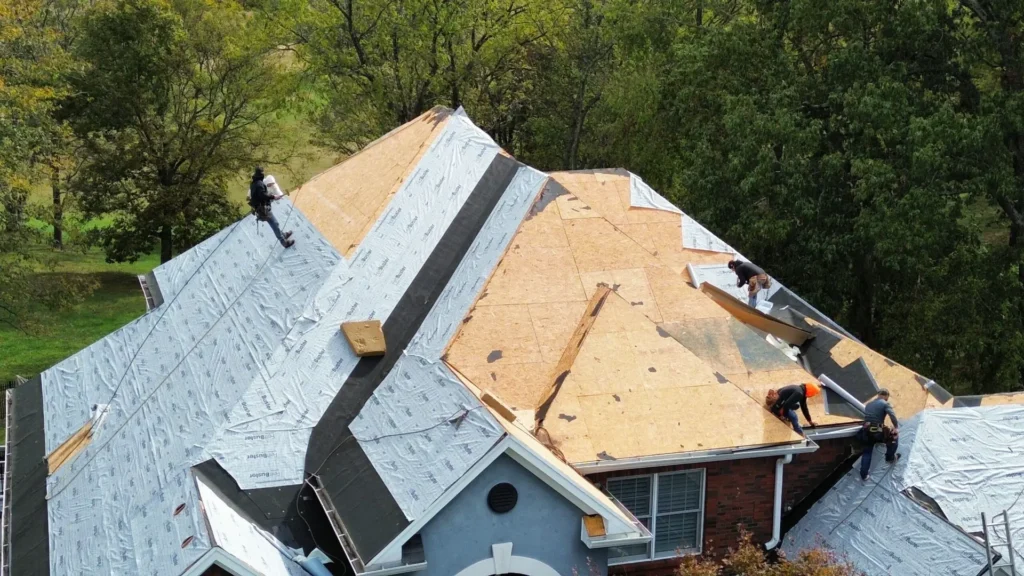
Yes, summer is generally a good time to replace your roof in Nebraska. Long daylight hours and warm temperatures help shingles seal properly. Extreme heat can create challenges, but an experienced crew manages these risks safely and efficiently.
Summer is one of the busiest seasons for roof replacement across Nebraska. Homeowners often ask: Is summer a good time to replace your roof, or should you wait? Star Home Roofing explains the real pros, cons, and costs below.
Summer Roofing Pros and Cons in Nebraska
Summer roof replacement has clear advantages in Nebraska. It also comes with a few tradeoffs homeowners should understand.
Advantages of Replacing Your Roof in Summer
- Faster shingle sealing: Heat activates the adhesive strip on asphalt shingles quickly. This creates a stronger bond against the wind.
- Longer daylight hours: Crews get more working hours each day. Projects often finish faster than in other seasons.
- While severe storms are generally more frequent during late spring, summer thunderstorms and hail can still occur. This means fewer scheduling delays.
- More cure time before winter: A summer install gives materials months to fully set. Your roof is ready before freezing temperatures arrive.
Drawbacks to Consider
- Shingle softening: Surface temperatures above 90 degrees can soften shingles. Soft shingles scuff more easily under foot traffic.
- Crew safety demands: Roof surfaces can reach 150 degrees on hot days. Experienced crews plan around this for safety.
- Higher summer demand: Many homeowners schedule projects in summer. This can mean longer waits for your preferred date.
Hot Weather Roof Installation Problems and Solutions
Roof replacement in extreme heat requires extra care. Here are common hot-weather roof installation problems and how they are solved.
- Scuffing and granule loss. Softened shingles mark easily. Crews use careful foot placement and proper footwear.
- Premature sealing. Shingles can bond before proper alignment. Crews work in smaller sections during peak heat.
- Odor from new shingles. Asphalt oils release faster in heat. This is temporary and not structural.
- Underlayment warping. Synthetic underlayment can wrinkle in direct sun. Crews install shingles the same day when possible.
- Sealant performance issues. Caulk can skin over too fast in heat. Heat-rated sealants solve this problem.
- Worker fatigue. Heat slows crews and raises error risk. Demanding tasks are scheduled for cooler morning hours.
- Material expansion. Metal panels expand in heat and contract at night. Expansion-friendly fastening prevents buckling.
Best Time to Install a Roof in Nebraska
Nebraska homeowners have several good options for roof replacement timing. Here is how each season compares.
Late Spring (May to Early June)
Temperatures are mild and good for sealing. Severe storm season can cause scheduling delays.
Summer (Mid-June to August)
Daylight hours are longest, and the weather is generally stable. Extreme heat requires an experienced, heat-aware crew.
Fall (September to October)
Temperatures are moderate with good sealing conditions. Bookings fill up quickly before winter.
Winter (November to February)
Winter roof installation is possible, but the appropriate temperature depends on the roofing material and manufacturer requirements. Professional contractors follow the manufacturer’s specifications to ensure proper installation.
Bottom line: There is no single perfect season for every home. If your roof is failing now, summer roof replacement is often the safer choice.
Cost Factors for Summer Roof Replacement in Nebraska

Every roof is different, so replacement costs depend on factors such as square footage, roofing material, ventilation upgrades, and structural repairs. Contact Star Home Roofing for a customized estimate.
- Roof size and pitch: Larger and steeper roofs require more labor and safety equipment.
- Material choice: Asphalt shingles, metal, and synthetic slate or cedar shake carry different costs.
- Existing layers: Removing multiple old layers adds labor and disposal fees.
- Decking condition: Storm damage may require plywood decking repairs underneath.
- Insurance coverage: Hail or storm-related claims may lower your out-of-pocket cost to your deductible.
- Financing options: Star Home Roofing offers on-the-spot financing with no money down for qualifying homeowners.
Why Choose Star Home Roofing
Star Home Roofing is a locally owned roofing company based in Lincoln, Nebraska. We serve homeowners and businesses across Nebraska and Western Iowa.
Our team brings over 30 years of combined construction and roofing expertise. We specialize in skylight repair, roof flashing replacement, chimney flashing repair, and full roof services.
What Sets Us Apart
- Locally owned and operated. We live and work in the communities we serve across Nebraska.
- Licensed, bonded, and insured. Qualified professionals complete every project.
- Free estimates. No pressure, no hidden fees. You get a transparent, itemized quote.
- Workmanship warranty. We back every repair with a written workmanship guarantee.
- On-the-spot financing. Options available for credit scores as low as 550, no money down.
- 24/7 emergency response. We respond fast when you have an active roof leak.
- Certified by trusted manufacturers. We use premium materials from leading industry suppliers.
Conclusion
Is summer a good time to replace your roof? For most Nebraska homeowners, the answer is yes. Long daylight hours and generally stable weather make summer a practical choice for roof replacement.
An experienced contractor manages the heat-related risks so your project stays on schedule. Contact Star Home Roofing for a free inspection to find the right time for your roof replacement.
Stay updated on our services and special offers. Connect with us on Facebook, Instagram, and Google Business Profile.
Contact us today to schedule your inspection or get a free quote.
Frequently Asked Questions
Yes. Summer offers long daylight hours and stable weather for most projects. An experienced contractor manages heat-related risks effectively.
Shingles can soften above about 90 degrees Fahrenheit. Crews often adjust schedules to work during cooler morning hours.
Extreme heat can cause temporary softening and odor. It does not typically cause long-term structural damage when installed correctly.
Most residential roofs take one to three days. Longer daylight hours in summer often speed up the process.
Both seasons work well in Nebraska. Fall offers cooler temperatures, while summer offers longer working days.

