





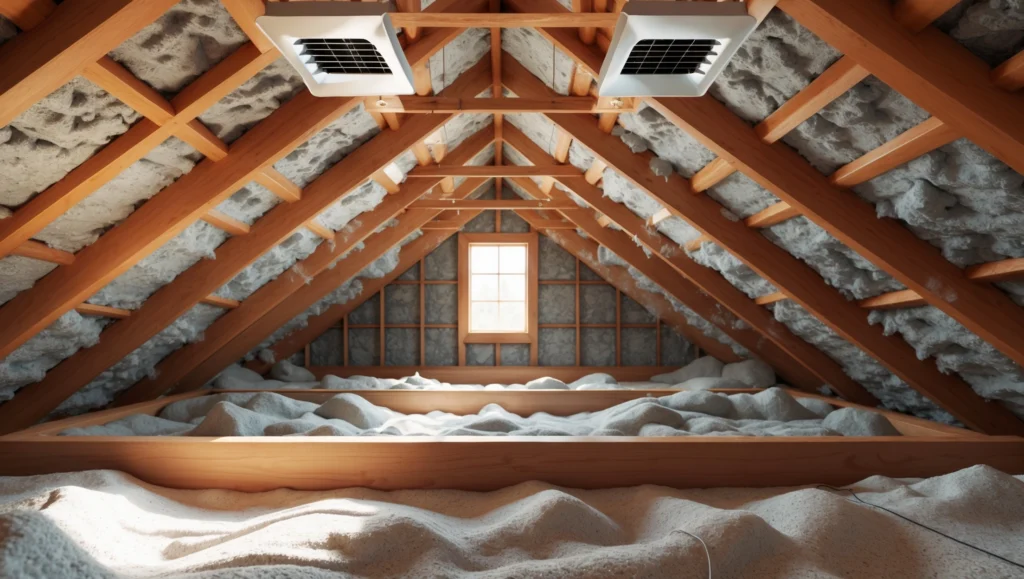
Attic ventilation for summer heat in Nebraska works by pulling cool air in through soffit vents and pushing hot air out through ridge vents. This constant airflow keeps attic temperatures within 10 to 20 degrees of the outside air, protecting shingles and lowering summer cooling costs.
Nebraska summers can push attic temperatures above 150 degrees. Proper attic ventilation for summer heat in Nebraska is the fix, and it protects your roof and your energy bill. Here is exactly how it works, what it costs, and how to tell if your home needs it.
Why Nebraska Attics Overheat Every Summer
Nebraska summers bring long hours of direct sun and high humidity. Asphalt shingles absorb this heat and pass much of it straight into the attic below.
Without proper airflow, that heat has nowhere to go. It builds up hour after hour, all summer long.
How Hot Do Nebraska Attics Actually Get?
On a 90-degree day, a poorly ventilated attic can reach 140 to 160 degrees. A well-ventilated attic stays much closer to the outdoor temperature.
The difference comes down to one thing: continuous, balanced airflow moving through the attic space.
What a Hot Attic Costs You
Heat trapped in the attic does not stay there. It affects your comfort, your bills, and your roof’s lifespan.
- Hot attic, high energy bills. Trapped heat radiates into living spaces, forcing your air conditioner to run longer.
- Shorter roof lifespan. Extreme heat bakes shingles from underneath, causing early granule loss and cracking.
- Warped roof decking. Prolonged heat and moisture can warp plywood or OSB decking over time.
- Voided shingle warranties. Most manufacturers require minimum ventilation levels to keep warranties valid.
- Uneven indoor temperatures. Upstairs rooms often stay noticeably warmer, no matter the thermostat setting.
Ridge Vent vs. Soffit Vent: How Attic Ventilation Works
A balanced ventilation system needs two parts working together. One brings air in. The other lets air out.
Soffit Vents: The Intake
Soffit vents sit under the roof’s eaves. They pull cool outside air into the lowest point of the attic.
Ridge Vents: The Exhaust
Ridge vents run along the roof’s peak. They release hot, rising air continuously, with no moving parts and no electricity.
The 1-in-300 Ventilation Rule
Most codes and manufacturers recommend 1 square foot of net free vent area per 300 square feet of attic floor. This should be split evenly between intake and exhaust.
A ridge vent installed without enough soffit intake will underperform. In some cases, it can even pull conditioned air from the home instead of outside air.
How to Ventilate an Attic the Right Way
Ventilation upgrades follow a clear process, whether done alone or during a roof replacement.
- Measure the attic’s square footage to calculate the required net free vent area.
- Inspect existing soffit vents for blockages from paint, insulation, or pests.
- Install baffles near the eaves so insulation cannot block airflow.
- Install ridge venting along the peak, sized to match soffit intake.
- Seal all penetrations so the system stays watertight in Nebraska storms.
- Verify airflow with a final temperature check against outdoor conditions.
Cutting into a roof deck and balancing intake with exhaust takes roofing experience. This is rarely a do-it-yourself project.
Do You Need Attic Ventilation With Spray Foam Insulation?
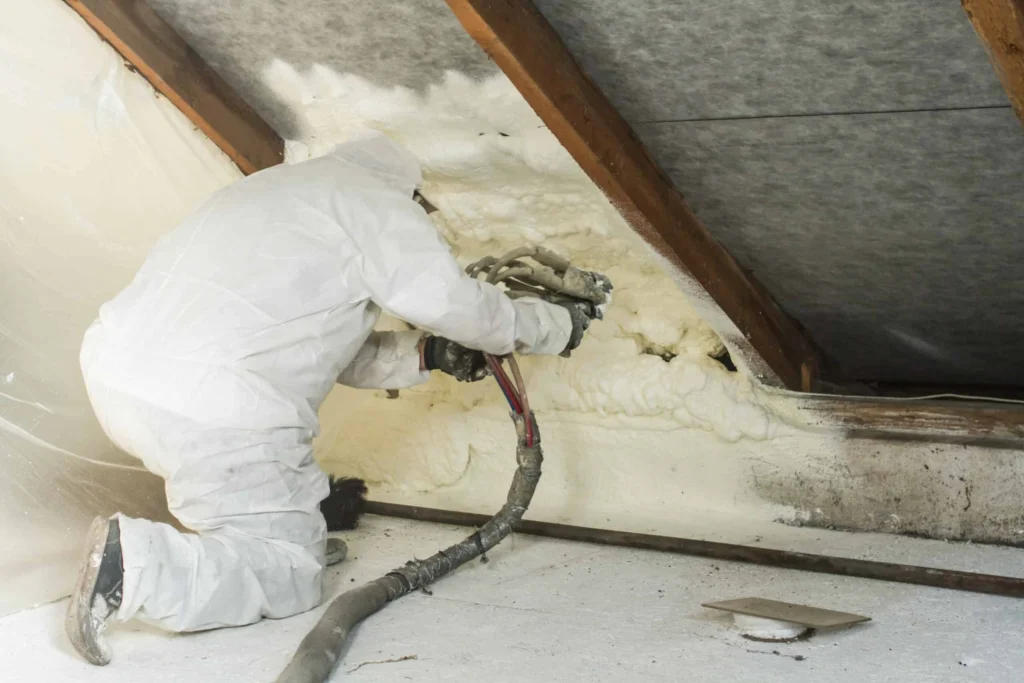
The answer depends on where the spray foam is applied.
- Spray foam on the attic floor still needs standard soffit and ridge ventilation, just like fiberglass insulation.
- Spray foam on the roof deck creates a sealed, conditioned attic that typically skips traditional venting altogether.
Mixing these two approaches can trap moisture and cause mold or wood rot. Any spray foam project should start with a clear ventilation plan.
How to Reduce Attic Heat This Summer
Several steps help reduce attic heat before it damages your roof or raises your bills.
- Clear soffit vents of paint, insulation, and debris
- Add or upgrade ridge venting to match intake airflow
- Check attic insulation depth meets Nebraska’s recommended R-value
- Seal air leaks between living space and attic
- Schedule a professional attic and roof inspection each spring
Attic Ventilation Cost Factors in Nebraska
Ventilation upgrades are one of the more affordable roofing investments homeowners can make.
- Attic size. Larger attics need more vent area on both intake and exhaust sides.
- Roof complexity. Hips, valleys, and dormers require more planning for even airflow.
- Existing damage. Blocked soffits or water damage may need repair before installation.
- Vent type. Passive systems generally cost less long-term than powered attic fans.
- Timing. Pairing ventilation work with a roof replacement is usually more cost-effective.
A free, in-person inspection gives the most accurate cost estimate for your specific home.
Why Choose Star Home
Star Home is a locally owned roofing company based in Lincoln, Nebraska. We serve homeowners and businesses across Nebraska and Western Iowa.
Our team brings over 30 years of combined construction and roofing expertise. We specialize in skylight repair, roof flashing replacement, chimney flashing repair, and full roof services.
What Sets Us Apart
- Locally owned and operated. We live and work in the communities we serve across Nebraska.
- Licensed, bonded, and insured. Qualified professionals complete every project.
- Free estimates. No pressure, no hidden fees. You get a transparent, itemized quote.
- Workmanship warranty. We back every repair with a written workmanship guarantee.
- On-the-spot financing. Options available for credit scores as low as 550, no money down.
- 24/7 emergency response. We respond fast when you have an active roof leak.
- Certified by trusted manufacturers. We use premium materials from leading industry suppliers.
Conclusion
A hot attic is not just uncomfortable. It quietly drains your energy budget and shortens your roof’s life all summer long.
Attic ventilation for summer heat in Nebraska is a proven, affordable fix that pays off through lower bills and a longer-lasting roof.
Stay updated on our services and special offers. Connect with us on Facebook, Instagram, and Google Business Profile.
Contact us today to schedule your inspection or get a free quote.
Frequently Asked Questions
Attic ventilation for summer heat in Nebraska removes trapped hot air before it damages shingles or raises cooling costs. It keeps attic temperatures closer to the outside air.
A hot attic radiates heat into living spaces, forcing your air conditioner to run longer. This directly raises your summer electric bill.
Yes. Proper ventilation reduces the heat that bakes shingles from underneath, helping shingles reach their full expected lifespan.
Soffit vents bring cool air into the attic at the eaves. Ridge vents release hot air out at the roof’s peak.
Yes. This is a common installation mistake. Without enough soffit intake, ridge vents cannot pull in enough fresh air to work properly.