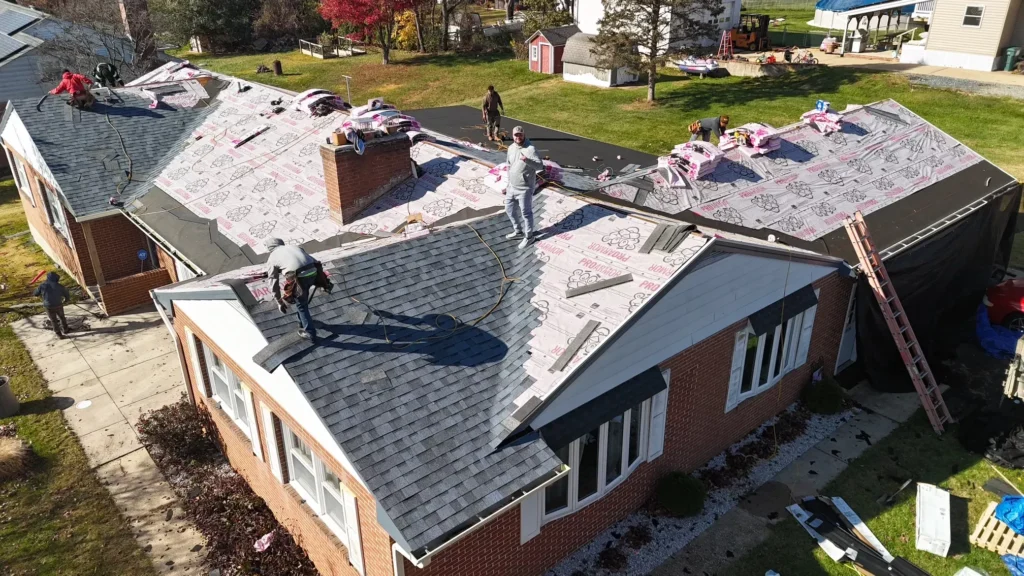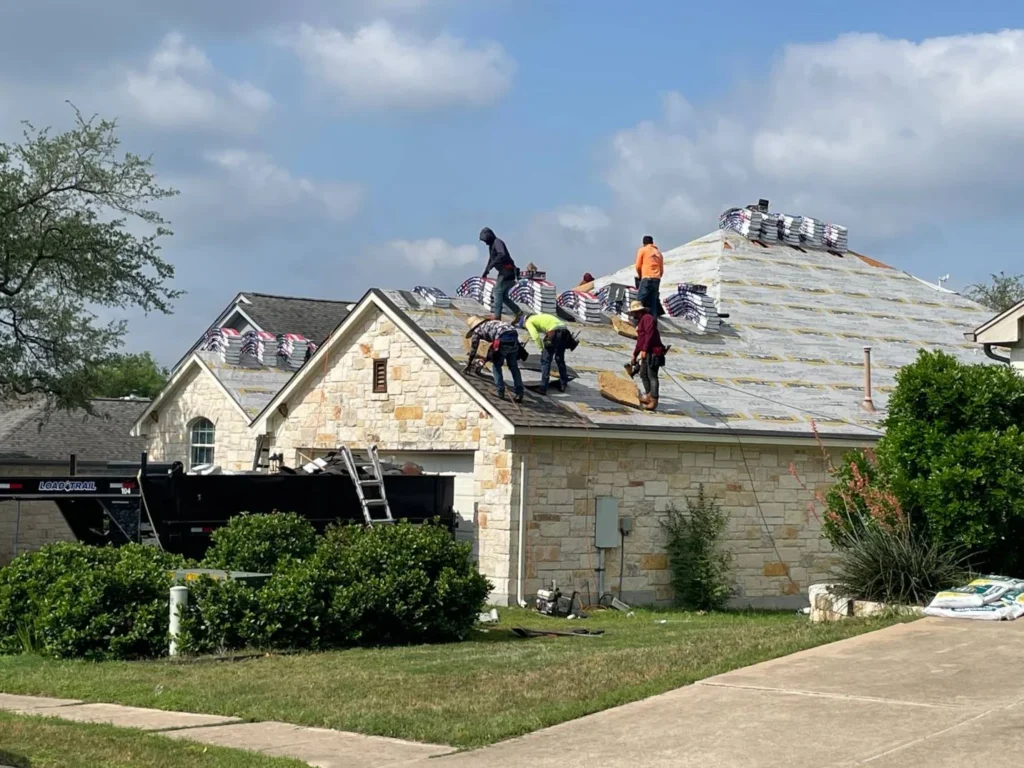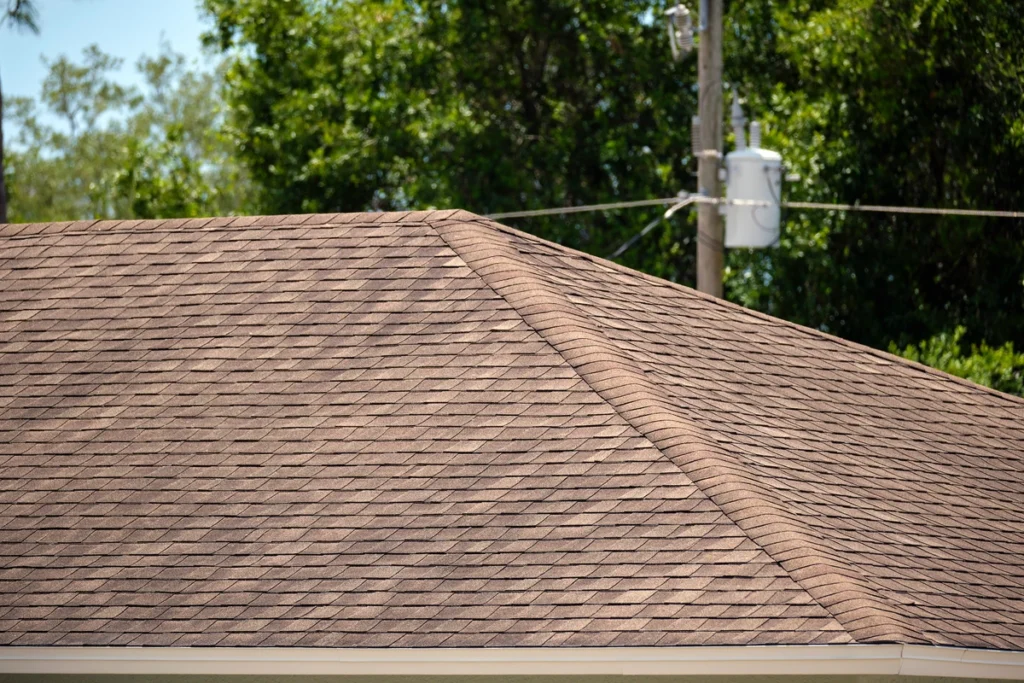






After a hailstorm in Grand Island, NE, immediately ensure your safety, photograph all visible damage from the ground, cover any roof openings with a tarp, schedule a free professional roof inspection, and file an insurance claim within your policy window, typically 6 to 12 months from the storm date.
A hailstorm can strike Grand Island in under 20 minutes and leave behind damage that costs thousands to fix. The decisions you make in the first 2448 hours after the storm directly determine whether you get a full insurance payout or nothing at all.
Key Takeaways
- Act within 2448 hours. Nebraska insurance policies require storm damage to be reported within 612 months, but documentation degrades fast.
- Don’t climb your roof. Hail-damaged decking and shingles are structurally unsafe. Inspect from the ground only.
- Document before you touch anything. Photos taken before any temporary repairs are your strongest evidence in a claim.
- Have a contractor present at the adjuster visit. This single step consistently improves claim outcomes.
- Delaying repairs costs more. A $12,000 repair can become a $40,000 interior restoration if water intrusion is left unaddressed.
Why Acting Quickly After a Hailstorm Matters
Most homeowners assume their roof is fine because there are no visible leaks. That assumption is wrong and expensive.
Hail damage is largely invisible from the ground. It bruises asphalt shingles, strips off the protective granule layer, and cracks the mat beneath the surface. None of that is obvious from your driveway. But over the next 618 months, that weakened roof will begin to leak, develop soft spots, and eventually fail.
Two Critical Deadlines Every Grand Island Homeowner Must Know
Claim reporting window: Nebraska insurance policies typically require you to report storm damage within 6 to 12 months. Some are shorter. Miss that window, and your claim may be denied even if the damage is clearly storm-related.
• Pre-repair documentation: If you cover a roof opening with a tarp before photographing it, you may lose the ability to prove the original scope of damage. Always photograph first.
The clock starts the moment the storm ends. Here is exactly what to do.
Step 1: Make Sure Your Property Is Safe
Before you inspect anything, complete a basic safety check.
- Stay inside until the storm has fully passed. Hail traveling at 4070 mph is dangerous to anyone outdoors.
- Walk the exterior from the ground only. Do not climb on the roof. A hail-damaged roof may have soft spots, cracked decking, or compromised shingles that will not hold weight safely.
- Check for downed power lines near the home. If you see any, stay clear and call your utility provider immediately.
- Look for broken windows, damaged siding, or debris that could create a safety hazard before you walk around the property.
If there is any opening in your roof, a puncture, missing shingles, or visible decking, you are legally obligated under most insurance policies to prevent further interior damage. Cover the area with a polyethylene tarp (minimum 6 mil thickness). Photograph the damage before the tarp goes on, and photograph it again after.
Step 2: Inspect Your Property for Hail Damage
What to Check From the Ground
Start with every surface you can see without a ladder:
- Gutters and downspouts: Look for dents, dings, and clean round impact marks along aluminum faces. Check downspout outlets for granule buildup. Granules washing off your shingles are an early warning sign.
- Siding: Vinyl siding cracks or chips on direct impact. Aluminum siding dents. Fiber cement chips at edges. Impact marks should follow the storm’s wind direction.
- Window trim, fascia, and soffit: Aluminum and painted surfaces show hail impacts clearly and serve as supporting evidence of storm force during adjuster visits.
- Air conditioning unit: Dents on the exterior condenser fins are a reliable indicator of hail size. Insurance adjusters frequently use A/C damage as a baseline measurement.
- Roof edges and overhangs: Look for missing shingles along ridges, curled edges, or surface areas that appear scoured or discolored.
Signs of Hail Damage on Asphalt Shingles

Hail damage on asphalt shingles does not look like a hole. Here is what it actually looks like up close:
- Granule loss: Dark, circular spots where the protective granule coating has been knocked off. The underlying mat will appear black or dark gray.
- Soft bruising: Press the impact spot with your thumb. A slight depression, like a bruise on fruit, indicates the fiberglass mat beneath has cracked.
- Exposed fiberglass mat: In severe impacts, the mat itself is visible. The shingle’s weatherproofing is completely compromised at these points.
- Cracked shingles: High-speed hail can split shingles completely, especially on roofs that are 10 or more years old.
- Random impact pattern: Legitimate hail damage appears in a scattered pattern across the entire roof face. Damage from foot traffic or debris looks different and concentrated.
Wind Damage vs. Hail Damage: Know the Difference
This distinction matters more than most homeowners realize. Wind damage and hail damage are documented and claimed differently, and some Nebraska policies carry separate deductibles for each.
|
Damage Type |
Wind Damage |
Hail Damage |
|
Pattern |
Missing shingles along edges, ridges, or rakes |
Circular impact marks are scattered across the full roof |
|
Shingle appearance |
Lifted, curled, or re-sealed in the displaced position |
Granule loss, bruising, cracked, or split shingles |
|
Metal indicators |
Flashing pulled away from the chimney, skylights, and walls |
Dents on gutters, vents, A/C fins, and flashing |
|
Claim handling |
Documented as a wind event check deductible type |
Documented as a hail event check deductible type |
Most Grand Island storms produce both types of damage. Clearly identify both in your documentation to avoid deductible complications.
Step 3: Document Everything Before You Touch Anything
Good documentation is what separates a full payout from an underpaid or denied claim. Photograph before you move, cover, or repair anything.
What to Photograph
- Wide shots of each roof face from the ground
- Close-ups of every distinct damage type: granule loss, cracks, missing shingles
- All four sides of your exterior walls’ siding damage is part of the claim
- Gutters and downspouts face view and inside the gutter channel
- Your A/C unit, metal trim, and window screens
- Granule buildup in downspout splash blocks
How to Document Like a Professional
- Use a size reference: Place a coin, ruler, or golf ball next to impact points so the adjuster can assess hail size from the photo.
- Shoot in overcast light: Flat light shows surface damage more clearly than direct sun, which creates harsh shadows that hide granule loss.
- Timestamp every photo: Smartphones embed date and time in file metadata automatically. Make sure your phone’s date is correct.
- Cover the property systematically: Walk all four sides and photograph everything, even damage you are unsure is covered. Let your adjuster decide.
- Back up immediately: Upload all photos to Google Drive, iCloud, or Dropbox as soon as you finish. Never rely on a single device.
Step 4: Decide Whether to File an Insurance Claim
When You Should File
- Visible damage to the roof, siding, gutters, or windows
- Storm-related leaks inside the home, water stains, wet insulation, attic moisture
- Missing shingles or exposed decking at any location
- Multiple soft-spot impacts confirmed during a professional inspection
The rule: If a professional inspection confirms hail damage, file the claim. You pay for that coverage every month, specifically for events like this.
When Filing May Not Make Sense
- Repair cost is less than your deductible, the math does not work in your favor
- You have filed within the past 23 years and are concerned about the premium impact
- Damage is purely cosmetic surface denting with no functional compromise
A reputable local contractor will give you an honest assessment before you decide. You are never obligated to file just because a contractor identifies damage.
Nebraska-Specific Insurance Details You Must Know
Percentage-based deductibles: Many Nebraska policies carry a percentage-based wind/hail deductible rather than a flat dollar amount. On a $300,000 home with a 1% deductible, you pay the first $3,000, not a flat $1,000. Check your declarations page before assuming your deductible amount.
ACV vs. RCV: Verify whether your policy settles at Actual Cash Value (ACV) or Replacement Cost Value (RCV). ACV factors in depreciation; a 12-year-old roof may receive far less than the replacement cost. RCV pays what it actually costs to replace the roof today. If your policy is ACV, speak to your insurance agent about upgrading before next storm season.
Step 5: Schedule a Professional Roof Inspection
Schedule your inspection before calling your insurance company, not after. Your insurance adjuster works for the insurer. A roofing professional’s independent inspection gives you a documented baseline to compare against the adjuster’s findings.
Questions to Ask Every Contractor Before You Hire
- Are you licensed and insured in Nebraska?
- Do you carry workers’ compensation insurance for your crew?
- Will you provide a written inspection report with photos?
- Do you have experience working with insurance adjusters in Hall County?
- Will you be present during my adjuster visit?
Red flags to watch for: Any contractor who pressures you to sign a contract before the adjuster inspects or who offers to waive your deductible is a warning sign. Waiving deductibles is illegal in Nebraska.
Step 6: File Your Claim and Manage the Adjuster Visit
- Call your insurer’s claims line. Report the storm damage. Verify the storm date at weather.gov using your address. Adjusters will check this.
- Request a specific appointment time. Do not accept a vague window. A set time lets you schedule your contractor to be present.
- Have your contractor on-site during the inspection. Your roofing contractor can identify damage the adjuster may overlook and ensure everything is documented in the report.
- Review the adjuster’s report before signing. Confirm every damaged area is included. If anything is missing, request a re-inspection or file a supplement claim.
What Happens If You Don’t Replace Your Roof After Hail Damage?
Many Grand Island homeowners receive a settlement and delay the repair. Here is the true cost of that decision.
Structural Consequences
Granule loss accelerates shingle aging by 35 years per impact event. Cracked mats absorb water with the very next rainfall. Within one or two seasons, those small failures become full leaks into the decking, insulation, and structural framing.
Financial Consequences
Water intrusion can void your attic insulation’s thermal rating, requiring full replacement. Wet decking develops mold within 4872 hours. A $12,000 roof repair left unaddressed can escalate to a $40,000 interior restoration.
Insurance Consequences
If interior damage occurs after you received a settlement but delayed repairs, your insurer may deny the interior damage claim. The documented exterior damage becomes evidence that you knew about the problem and chose not to fix it. The settlement exists for a reason. Use it.
Hail Damage Repair Costs in Grand Island, NE (2025 Guide)

Costs in Hall County vary based on five primary factors:
|
Cost Factor |
Impact |
|
Roof size (squares) |
Average home: 2030 square feet. Primary cost driver. |
|
Shingle material |
3-tab vs. architectural vs. Class 3/4 impact-resistant |
|
Pitch and complexity |
Steeper pitches and more hips/valleys increase labor |
|
Decking condition |
Soft or rotted decking found during the tear-off adds cost |
|
Post-storm demand |
High demand after major storms can extend timelines by 48 weeks |
Typical Price Ranges Grand Island, NE
- Partial repair (15 squares): $800$3,500
- Half-roof replacement: $6,000$12,000
- Full roof replacement (asphalt shingles): $10,000$22,000
- Upgrade to Class 3 or 4 impact-resistant shingles: Adds $1,500$4,000 to material costs. May qualify for 1530% annual insurance discount.
Class 4 impact-resistant shingles (UL 2218 rated) are engineered to withstand hailstones up to 2 inches in diameter without cracking. Given that Grand Island averages multiple significant hail events per year, the long-term financial case for the upgrade is strong.
Shingle Type Comparison for Nebraska Hail Conditions
|
Feature |
3-Tab Asphalt |
Architectural |
Class 4 Impact-Resistant |
|
Hail resistance |
Low |
Moderate |
Highest (UL 2218) |
|
Lifespan |
1520 years |
2530 years |
3050 years |
|
Insurance discount |
None |
Minimal |
1530% annually |
|
Material cost premium |
Lowest |
Moderate |
$1,500$4,000 more |
|
Best for Nebraska? |
Tight budget only |
Good middle ground |
Best long-term value |
Why Choose Star Home for Hail Damage Repair
Star Home is a locally owned roofing company based in Lincoln, Nebraska. We serve homeowners and businesses across Nebraska and Western Iowa.
Our team brings over 30 years of combined construction and roofing expertise. We specialize in skylight repair, roof flashing replacement, chimney flashing repair, and full roof services.
What Sets Us Apart
- Locally owned and operated. We live and work in the communities we serve across Nebraska.
- Licensed, bonded, and insured. Every project is completed by qualified professionals.
- Free estimates. No pressure, no hidden fees. You get a transparent, itemized quote.
- Workmanship warranty. We back every repair with a written workmanship guarantee.
- On-the-spot financing. Options available for credit scores as low as 550, no money down.
- 24/7 emergency response. We respond fast when you have an active roof leak.
- Certified by trusted manufacturers. We use premium materials from leading industry suppliers.
Post-Hailstorm Action Checklist
□ Safety-check your property from the ground, no roof climbing
□ Photograph all damage before touching, moving, or covering anything
□ Cover roof openings with a 6-mil polyethylene tarp and document before and after
□ Back up all photos to cloud storage immediately
□ Schedule a free professional inspection before contacting your insurer
□ Review your policy’s deductible type (flat vs. percentage) and ACV vs. RCV
□ File your insurance claim with full documentation in hand
□ Schedule your contractor to be present at the adjuster visit
□ Review and verify the adjuster’s damage report before signing
□ Move forward with repairs promptly to avoid delays and increase total cost
Conclusion: What to Do After a Hailstorm: Take Action Now
A hailstorm does not give you time to prepare. But the decisions you make in the hours and days after the storm determine the financial and structural outcome. Move fast, document thoroughly, and work with a licensed local contractor who will stand beside you through the entire process.
If a storm has recently moved through the Grand Island area and you are not certain whether your roof was affected, call Star Home. Our inspection is completely free. There is no contract, no pressure, and no commitment.
Stay updated on our services and special offers. Connect with us on Facebook, Instagram, and Google My Business.
Contact us today to schedule your inspection or get a free quote.
Frequently Asked Questions: Hail Damage in Grand Island, NE
Immediately after a hailstorm, ensure everyone is safe and stay indoors until the storm passes. Then walk your property from the ground, photograph all visible damage, cover any roof openings with a tarp, and schedule a professional inspection before contacting your insurance company.
Look for granule loss (dark circular spots on shingles), soft bruising you can feel with your thumb, cracked or split shingles, and dents on gutters, A/C fins, or metal trim. Most hail damage is not visible from the ground, which is why a professional inspection is essential after any significant storm.
File a claim if a professional inspection confirms structural damage to your roof, siding, or gutters. If the repair cost is less than your deductible, or the damage is purely cosmetic, filing may not be in your best interest. A reputable local contractor can help you decide before you contact your insurer.
Most Nebraska homeowners’ insurance policies require storm damage to be reported within 6 to 12 months of the event. Some policies have shorter windows. Check your policy documents immediately after any storm and do not assume you have more time than you do.
Delaying roof replacement accelerates shingle deterioration, allows water intrusion into decking and insulation, and can result in mold growth within 4872 hours of a leak. A repair that costs $12,000 today can escalate to $40,000 in interior restoration. Your insurer may also deny future claims if prior damage was documented but unrepaired.