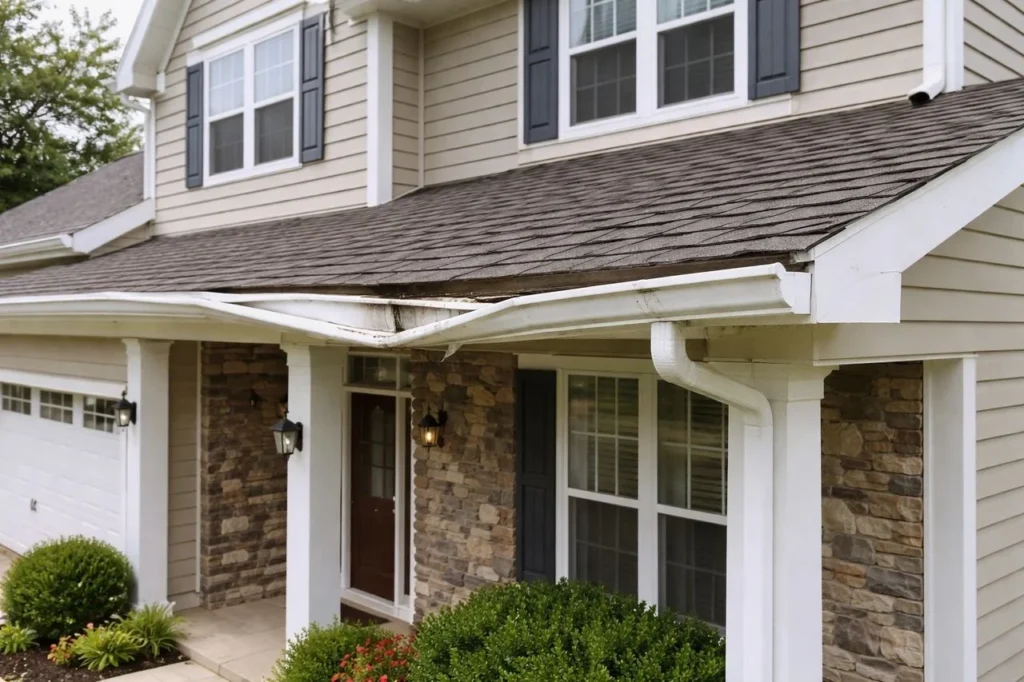





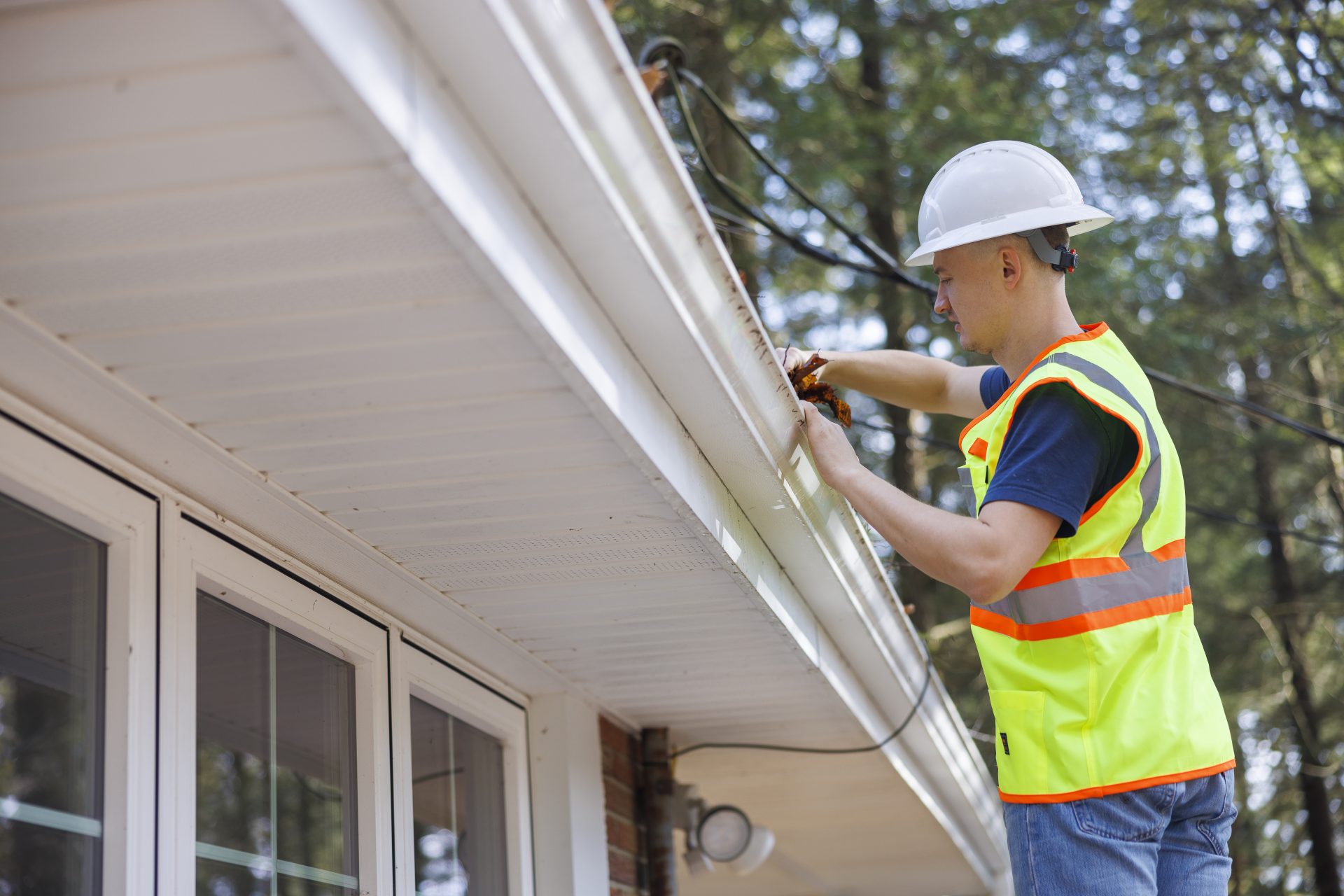
Fall roof maintenance for Nebraska homeowners should include checking shingles, flashing, gutters, valleys, vents, pipe boots, attic ventilation, fascia, soffits, and interior leak signs. The goal is to prepare the roof for winter before freezing weather turns small damage into leaks, ice dams, or costly repairs.
This guide explains what to check, what to repair, and when to call Star Home for help.
Why Fall Roof Maintenance Matters Before Nebraska Winter
Fall roof maintenance gives your roof time to be checked before cold weather arrives. The main risk is not one storm. The bigger problem is repeated moisture, freezing, thawing, and wind.
Small roof problems can grow fast when water freezes inside weak areas. Ice expands and can push open gaps near shingles, flashing, vents, and roof edges.
A fall checkup helps protect:
• Roof shingles
• Roof decking
• Attic insulation
• Gutters and downspouts
• Fascia and soffits
• Interior ceilings
• Walls and drywall
• Home energy performance
Nebraska roof care is different from mild-climate roof care. Midwest homes face hail, high winds, harsh seasonal weather, and major temperature swings.
Star Home serves homeowners across Nebraska and Western Iowa, including Lincoln, Omaha, Grand Island, Fremont, Bellevue, Gretna, Hastings, Nebraska City, Papillion, Seward, York, and nearby communities.
The Core Problem and Solution
The problem is simple. Many roof leaks start before winter, but homeowners notice them after snow, ice, or heavy rain.
A shingle may be lifted. A pipe boot may be cracked. A gutter may be packed with leaves. Flashing may be loose near a chimney, wall, or skylight. These issues may look small in fall.
They become serious when water gets trapped and freezes. The solution is a pre-winter roof checkup. It finds weak areas while there is still time to repair them.
A strong roof checkup should answer five questions:
- Can water drain off the roof correctly?
- Are shingles still sealed and secure?
- Are roof penetrations protected?
- Is the attic dry and ventilated?
- Are there signs of active or hidden leaks?
If the answer is no, the roof needs attention before winter pressure builds.
Fall Roof Maintenance Checklist for Nebraska Homeowners
This checklist helps Nebraska homeowners inspect the roof system from the outside, inside, and attic. Use it before freezing weather arrives. Do not climb onto a roof that is steep, wet, icy, or damaged.
1. Check Shingles From the Ground
Start with a safe ground-level inspection.
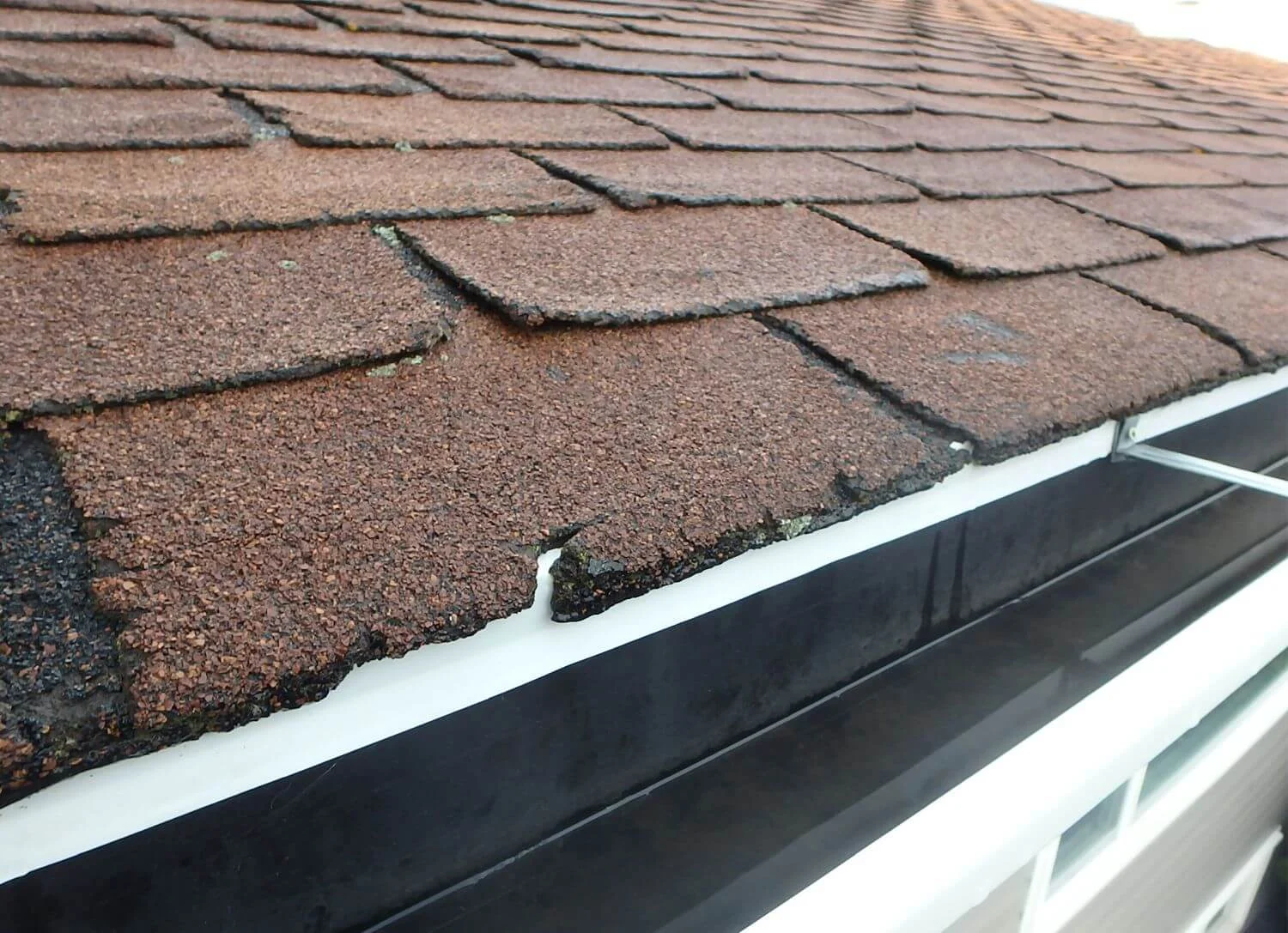
Look for:
• Missing shingles
• Cracked shingles
• Curled shingle edges
• Lifted shingle tabs
• Dark bald spots
• Granules in gutters
• Exposed nails
• Uneven roof areas
• Shingle pieces in the yard
Asphalt shingles are common on Nebraska homes. They can loosen after strong wind or hail. Missing or lifted shingles should be repaired before winter. They leave underlayment and decking more exposed to water.
If you see several damaged areas, schedule an autumn roof inspection. The roof may need more than a simple patch.
2. Inspect Flashing Around Weak Points
Flashing is usually made of metal and helps protect areas where the roof meets another surface.
Check flashing around:
• Chimneys
• Skylights
• Dormers
• Sidewalls
• Roof valleys
• Plumbing vents
• Exhaust vents
Loose flashing is a major leak risk. Water often enters where materials meet, not in the middle of the roof. Look for rust, gaps, lifted edges, cracked sealant, or missing fasteners. Do not cover bad flashing with caulk as a permanent fix. That can hide the problem and allow water to spread.
3. Clean Gutters and Downspouts
Gutters are part of the roof protection system. When gutters clog, water backs up near the roof edge. In winter, that water can freeze and create heavy ice.
Clean gutters should move water away from the home quickly.
Check for:
• Packed leaves
• Sticks and roof granules
• Loose gutter hangers
• Leaking seams
• Sagging gutter sections
• Downspout clogs
• Water dumping near the foundation
This is one of the most important fall roof maintenance tasks for homes near trees. If gutters clog often, ask about gutter guards. Star Home offers gutter installation and maintenance, gutter guard services.
4. Clear Roof Valleys
Roof valleys carry large amounts of water. Leaves and branches collect there during fall. When debris blocks a valley, water can slow down and move under shingles.
A blocked valley can cause:
• Shingle damage
• Underlayment wear
• Ice buildup
• Roof deck moisture
• Interior leaks
Do not pressure wash roof valleys. High pressure can damage shingles and push water under the roof covering. A roofing professional can clear and inspect valleys safely.
5. Check Pipe Boots, Vents, and Roof Openings
Every roof opening needs a tight seal. Pipe boots are common leak points because the rubber can crack over time. Vent covers can also loosen in high wind.
Inspect these areas for:
• Split rubber boots
• Loose vent caps
• Rusted metal
• Failed sealant
• Missing screws
• Gaps around pipes
A small pipe boot repair can prevent a ceiling stain later. This is a simple example of why a fall inspection can save money.
6. Look at Skylights and Solar Tubes
Skylights and solar tubes bring natural light into the home, but they must be sealed properly. Check the interior frame and surrounding ceiling area for signs of leaks.
Warning signs include:
• Brown ceiling stains
• Peeling paint
• Damp drywall
• Drafts
• Condensation between panes
• Water marks after rain
Skylight leaks may come from flashing, seal failure, or nearby roof damage.
Star Home lists skylight and solar tube services on its website, along with roofing, gutters, attic insulation, and storm damage services.
7. Inspect Fascia and Soffits

Fascia boards support the gutters, while soffits help move air into the attic system. These areas are often damaged when gutters overflow.
Check for:
• Soft wood
• Peeling paint
• Loose soffit panels
• Water stains
• Pest entry points
• Gutters pulling away
• Rot near roof edges
Fascia damage should be handled before snow and ice add more weight to gutters. Star Home provides fascia installation and maintenance for homes across Nebraska and Western Iowa.
8. Check the Attic for Moisture and Ventilation Problems
Your attic can show signs of roof trouble before they appear in the living space.
Use a flashlight and look for:
• Wet insulation
• Dark roof deck stains
• Frost on nails
• Musty smells
• Mold-like spots
• Daylight through openings
• Rusted fasteners
• Poor airflow near vents
Attic ventilation matters in winter. Warm indoor air can rise into the attic and meet cold roof decking. That can create condensation. It can also help form ice dams near roof edges.
A roof and attic should work as one system. Star Home offers attic insulation solutions, which can support winter performance when paired with proper ventilation.
9. Look for Interior Leak Signs
Some roof problems show up indoors first.
Check these areas:
• Ceilings
• Upper walls
• Around skylights
• Closet corners
• Attic access areas
• Chimney walls
• Bathroom exhaust areas
Watch for stains, bubbles, peeling paint, musty smells, or soft drywall.
Interior stains do not always appear directly under the roof leak. Water can travel along framing before it drips. That is why professional leak diagnosis matters.
What About How to Fix Falling Roof Liner Issues?
Some homeowners search: “how to fix falling roof liners” when they notice sagging material under the roof, ceiling, or attic area.
In a home, this may point to sagging underlayment, wet insulation, loose ceiling material, or damaged roof decking. Do not treat it as a simple cosmetic issue.
Possible causes include:
• Active roof leaks
• Moisture-damaged decking
• Failed underlayment
• Poor attic ventilation
• Wet insulation
• Structural movement
• Past storm damage
Do not pull the material down. Do not walk on the roof to test the weak area.
Take photos from a safe place. Then schedule a roof inspection. The correct repair depends on the cause. The fix may include leak repair, decking repair, underlayment replacement, ventilation correction, or insulation replacement.
How to Prepare Your Roof for Winter

To prepare the roof for winter conditions, focus on drainage, sealing, ventilation, and known damage.
Use this order:
- Walk around the home and check roof surfaces from the ground.
- Look for missing, lifted, or cracked shingles.
- Clean gutters and check downspouts.
- Remove leaves from roof valleys if safe.
- Check flashing from the ground.
- Look for attic moisture or frost signs.
- Check ceilings for stains.
- Trim branches that touch or hang over the roof.
- Schedule a professional autumn roof inspection.
- Complete needed repairs before freezing weather.
This process helps reduce winter leak risk. It also helps you avoid rushed emergency repairs during snow, cold, or holiday schedules.
Can You Replace a Roof in the Fall?
Yes, you can replace a roof in the fall when weather and material conditions are right.
Fall can be a smart time for roof replacement in Nebraska. The home can be protected before snow, ice, and freezing temperatures arrive.
The roofing team must consider:
• Temperature
• Wind speed
• Rain forecast
• Material type
• Roof pitch
• Existing deck condition
• Shingle sealing conditions
• Underlayment needs
Asphalt shingles need proper handling and installation. Cold weather can affect flexibility and sealing.
This does not mean fall replacement is bad. It means timing and installation quality matter. If your roof has widespread damage, a fall inspection can help decide if repair or replacement is smarter.
Cost and Factors for Fall Roof Maintenance in Nebraska
Costs vary because every roof is different. Some homeowners only need a free inspection and minor maintenance. Others need repair work before winter.
Star Home states that it offers free roof inspections to assess roof condition and needed repairs.
Cost factors include:
• Roof size
• Roof pitch
• Roof height
• Shingle type
• Damage severity
• Gutter condition
• Flashing condition
• Number of roof penetrations
• Attic moisture issues
• Fascia or soffit damage
• Storm damage documentation
• Emergency timing
Common Maintenance and Repair Items
Gutter cleaning: Costs depend on gutter length, height, debris level, and access.
Shingle repair: Costs depend on how many shingles are missing, lifted, or damaged.
Pipe boot replacement: This is often a smaller repair, but it can prevent major leaks.
Flashing repair: Costs depend on the area and complexity. Chimney and wall flashing can require more labor.
Skylight repair: Costs depend on whether the leak comes from flashing, seal failure, or roof damage.
Attic ventilation or insulation correction: Costs vary because the issue may involve airflow, insulation depth, or moisture control.
Roof replacement: This may be needed when damage is widespread or the roof is near the end of its life.
When to Call Star Home Before Winter
Call Star Home if you notice any clear warning signs before winter.
Important warning signs include:
• Missing shingles
• Active leaks
• Ceiling stains
• Soft roof areas
• Loose flashing
• Clogged or sagging gutters
• Skylight stains
• Attic moisture
• Wet insulation
• Storm damage
• Large amounts of shingle granules
• Ice dam history
• Falling roof liner or sagging material
Fall roof maintenance for Nebraska homeowners complete early gives the team more time to inspect, explain, and repair. Waiting until winter can limit repair options. Snow, ice, and cold temperatures can make access harder.
About Star Home
Star Home is a Lincoln, Nebraska-based roofing company serving Nebraska and Western Iowa.
Star Home provides roofing, roof inspection, roof maintenance, roof repair, roof replacement, gutters, fascia, attic insulation, skylight, solar tube, and storm damage services. The company’s website states that Star Home is locally owned and rooted in the Midwest, licensed, bonded, and insured, and certified by trusted manufacturers. Star Home’s website also states that its experienced team brings decades of hands-on construction and roofing expertise to each project.
For fall roof maintenance, homeowners need this matter because roof care is not one single service. A good inspection may involve shingles, gutters, fascia, attic ventilation, insulation, skylights, and storm damage review.
Star Home can help homeowners understand the full roof system before winter. That helps homeowners make better repair or replacement decisions.
Conclusion
Fall roof maintenance helps Nebraska homeowners prevent leaks, ice problems, gutter damage, attic moisture, and costly repairs before winter.
Start with safe visual checks. Look at shingles, gutters, flashing, roof valleys, attic moisture, and interior stains. Then schedule a professional pre-winter roof checkup if you see damage or warning signs. For homeowners in Lincoln, NE and nearby Nebraska or Western Iowa communities, Star Home can inspect the roof and explain the next step clearly.
Do not wait for snow to reveal the problem. Fall roof maintenance for Nebraska is the right step before winter because small repairs are easier to manage before freezing weather arrives.
Frequently Asked Questions
What does fall roof maintenance in Nebraska include for Star Home customers?
Star Home says fall roof maintenance for Nebraska starts with shingles, gutters, flashing, attic checks, and leak signs. These steps help prepare your roof for winter.
What roof maintenance checklist for Lincoln NE homes should I use before winter?
Star Home uses a roof maintenance checklist Lincoln NE homes can follow: check shingles, gutters, vents, attic moisture, flashing, and leaks before winter starts.
Why should Star Home inspect my roof during an autumn roof inspection?
Yes. Star Home says an autumn roof inspection can spot leaks, loose flashing, clogged gutters, attic moisture, and weak shingles before winter makes them worse.
When should I book a pre-winter roof checkup with Star Home?
Star Home can check your roof before winter. A pre-winter roof checkup helps find storm damage, leaks, bad vents, wet insulation, and weak shingles early in fall.
Can you replace a roof in the fall with Star Home in Nebraska?
Yes. Star Home says you can replace a roof in the fall when weather, material, wind, and temperature conditions are right for safe, proper roofing work before winter.