




Summer heat roof damage in Nebraska happens when UV rays and thermal cycling dry out asphalt shingles, causing cracking, blistering, and granule loss. Repairs typically cost $150 to $4,500 depending on severity, while full roof replacement from heat aging ranges from $7,000 to $18,000 or more in 2026.
Most Nebraska homeowners picture hail and wind when they think about roof damage. But summer heat roof damage in Nebraska is just as serious, and it builds quietly for years before a leak appears.
This guide explains how heat harms your roof, the warning signs to catch early, and real 2026 repair cost ranges for Nebraska homes.
What You Will Learn in This Guide
- How Nebraska summer heat physically damages asphalt shingles
- Warning signs of heat damage, including granules in gutters and shingle blistering
- Why a hot attic can destroy a roof from the inside out
- 2026 repair cost ranges for heat-damaged roofs in Nebraska
- Whether homeowners’ insurance covers sun and heat damage
- When a repair is enough, and when it is time to replace the roof
How Nebraska’s Summer Heat Damages Your Roof
Nebraska roofs face freezing winters, humid summers, and daily temperature swings of 40 degrees or more. This is called thermal cycling.
Thermal cycling wears out shingles faster than steady weather ever would. Here is how summer heat causes roof damage in Nebraska homes.
How Heat Affects Asphalt Shingles
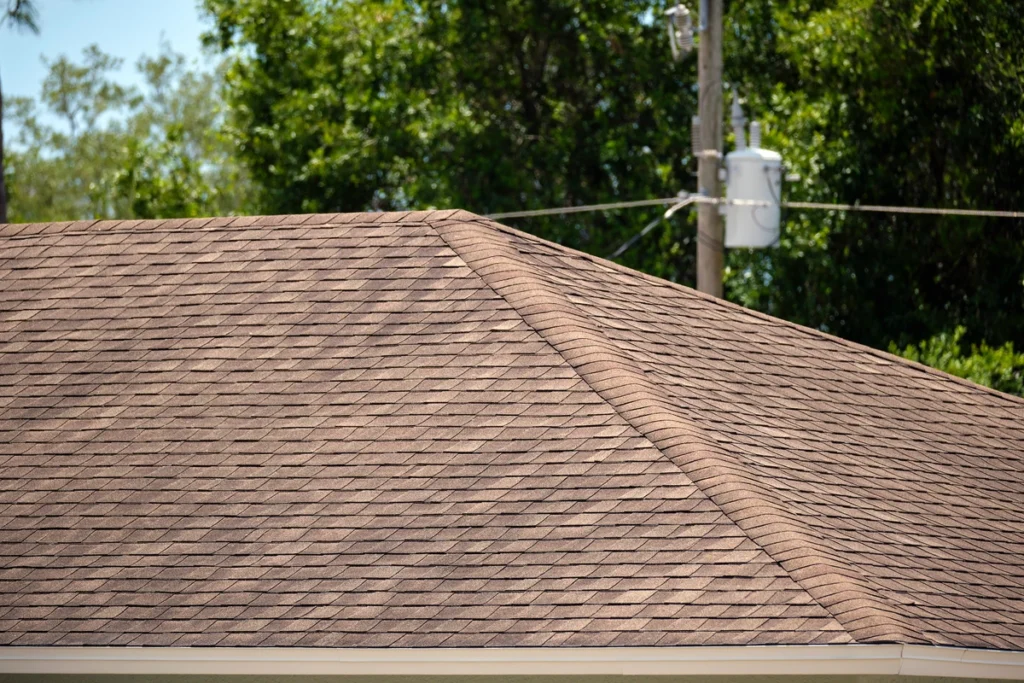
Asphalt shingles have three layers: a fiberglass mat, a waterproof asphalt coating, and ceramic granules on top. Heat attacks all three layers.
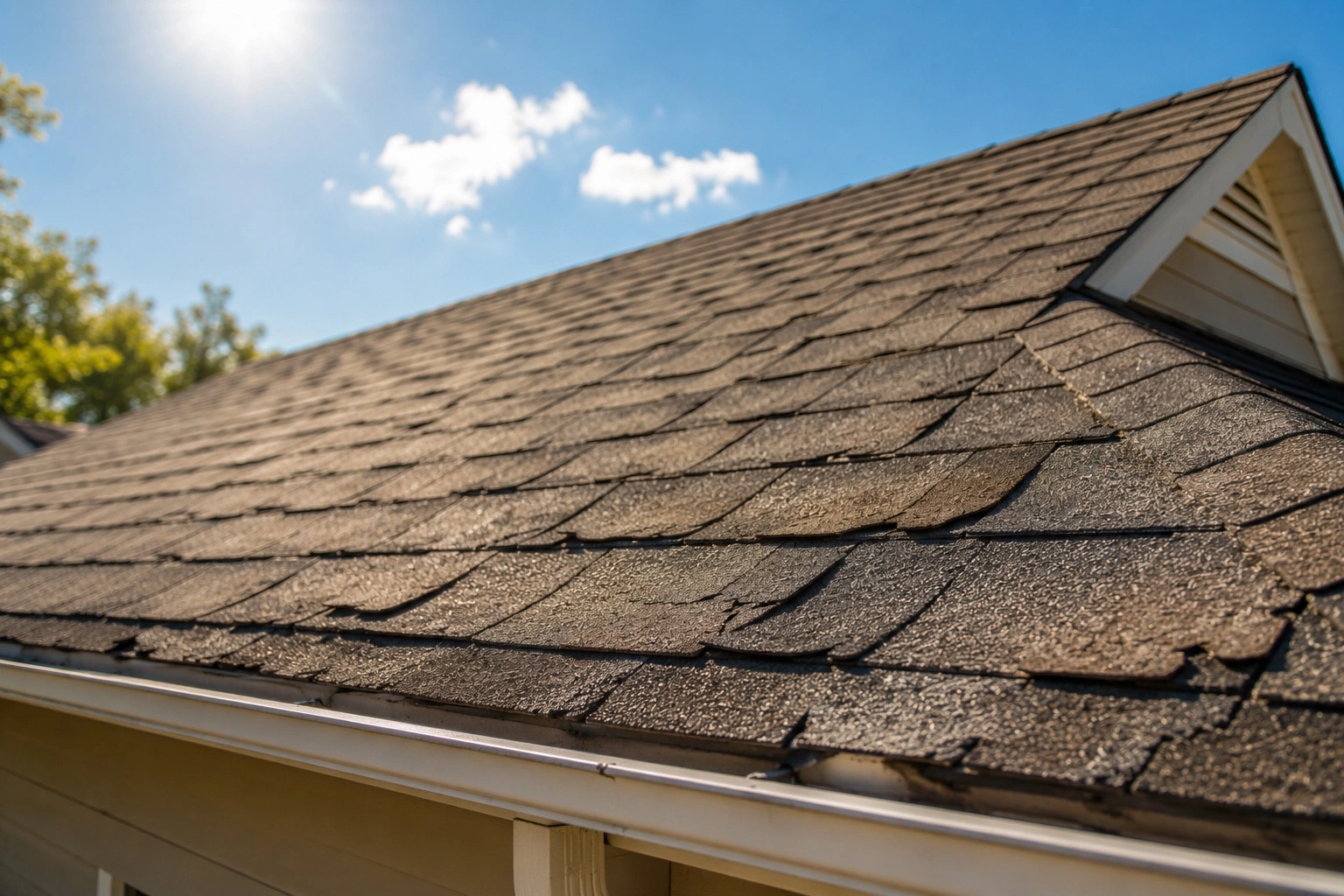
- UV rays dry out the asphalt. Sunlight breaks down the oils that keep shingles flexible, so they become brittle and crack.
- Thermal cycling loosens seals. Daily expansion and contraction loosen shingle adhesive and the nails holding shingles down.
- Dark colors make it worse. Dark shingles absorb more heat, aging faster on south- and west-facing slopes.
A shingle rated for 25 years can wear out in 15 or fewer under constant Nebraska heat.
Shingle Blistering: The Bubbles That Turn Into Bald Spots
Shingle blistering is one of the clearest signs of heat stress on a roof. Blisters are small raised bubbles on the shingle surface.
They form when trapped moisture or gas expands in the heat and pushes upward against the shingle layers.
Blisters look harmless at first. Once they pop, granules are lost, and raw asphalt is exposed to direct sun.
Important: Blistering usually comes from heat, trapped moisture, or poor ventilation, not from a storm. That distinction matters for insurance claims.
Roof Granules in the Gutter: Why That Sand Matters
Coarse, sand-like debris in your gutters is one of the most common signs of heat damage on a roof.
Granules reflect UV rays and protect the asphalt underneath. Heavy, steady granule loss means shingles are losing their protection.
Watch for these clues of summer heat roof damage in Nebraska:
- Coarse, sand-like buildup in gutters and downspouts after every rain
- Bald or shiny patches on the roof where asphalt is exposed
- Granule loss concentrated on the sunniest roof slopes
Attic Heat: The Damage You Cannot See From the Ground
Heat does not only attack from above. It also builds up inside the attic and cooks the roof deck from below.
Poor attic ventilation traps hot air and raises roof deck temperature. This double-baking speeds up shingle aging significantly.
A healthy attic needs soffit vents at the eaves and ridge vents at the peak for balanced airflow.
When that system is missing, heat attic roof damage sets in. It is one of the most overlooked issues found during Lincoln and Omaha inspections.
7 Signs of Heat Damage on Your Roof

You do not need to climb on your roof to spot trouble. Watch for these warning signs from the ground:
- Curling or buckling shingles: edges turning up or a wavy, uneven surface
- Cracked or brittle shingles: surface cracks, especially on newer roofs
- Blistering: small bubbles or popped, discolored spots
- Granules in the gutter: coarse black sand-like buildup
- Bald or shiny patches: exposed asphalt where granules are gone
- A hot, stuffy attic: a space that feels like a sauna in summer
- Rising cooling bills: a sign your attic and roof are trapping heat
If you notice two or more signs, have a professional inspect your roof before small problems become leaks.
2026 Summer Heat Roof Damage Repair Costs in Nebraska
Repair costs depend on how far the damage has spread. Catching heat damage early almost always means a smaller bill.
|
Type of Repair |
Typical 2026 Cost Range |
|
Minor spot repair (a few blistered or cracked shingles) |
$150 – $600 |
|
Moderate repair (damaged section, resealing, flashing) |
$600 – $2,000 |
|
Larger repair (granule loss, underlayment or decking work) |
$1,500 – $4,500 |
|
Attic ventilation upgrade (ridge/soffit vents or vent fan) |
$300 – $2,500 |
|
Full roof replacement (heat has aged the entire roof) |
$7,000 – $18,000+ |
These are general estimates. A free on-site inspection gives you an accurate number for your home.
What Affects Your Repair Cost
- Roof size and pitch: larger and steeper roofs need more materials and labor
- Shingle type and quality: architectural, premium, or impact-rated shingles cost more
- Extent of the damage: a few shingles versus multiple roof slopes
- Decking condition: warped decking from heat or moisture must be replaced first
- Ventilation work: fixing attic heat so the repair actually lasts
- Accessibility: roof height, layout, and safety needs on the job site
Repair or Replace? When Heat Damage Tips the Scale

Not every heat-damaged roof needs replacing. A few blistered shingles or small granule loss is usually a simple repair.
Consider full replacement if any of these apply to your Nebraska home:
- Your roof is 15 or more years old and shows widespread wear
- Granule loss and bald spots appear across multiple roof slopes
- You are repairing the same areas again and again
- The decking or attic ventilation needs major work
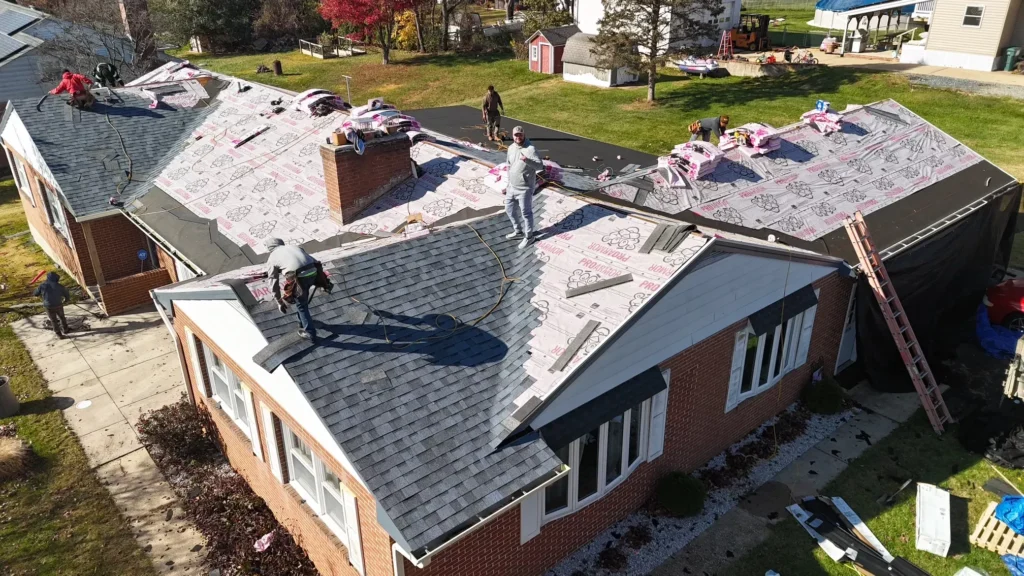
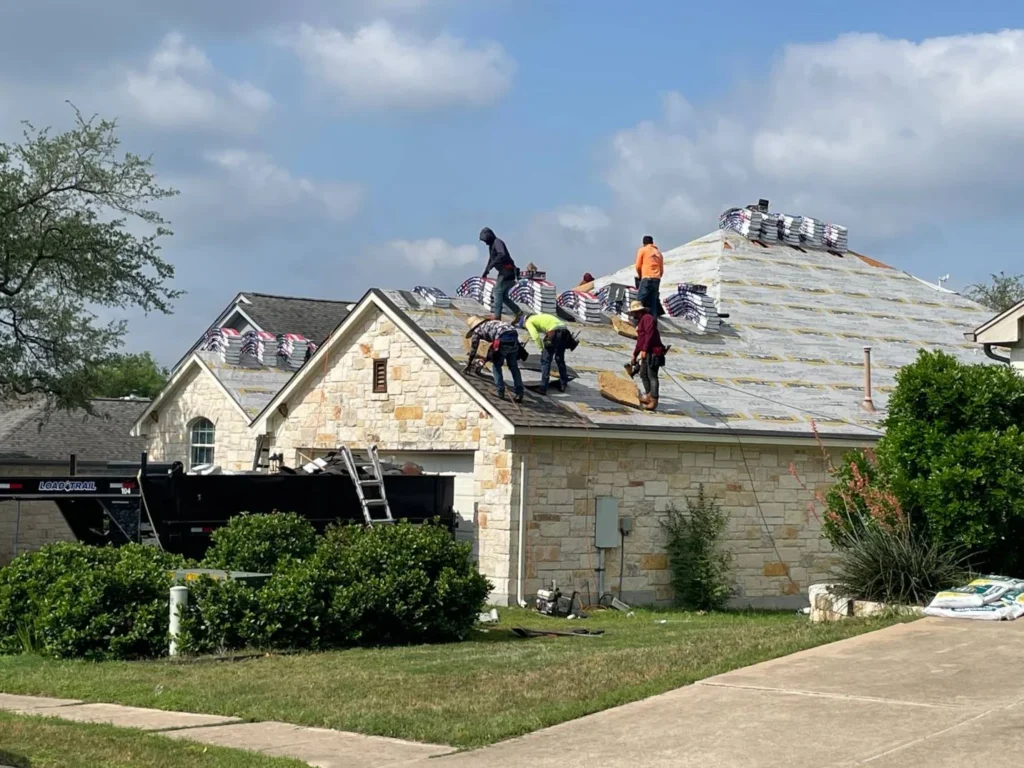
Replacement also lets you upgrade to heat-resistant shingles and fix ventilation at the same time.
Does Insurance Cover Summer Heat Roof Damage in Nebraska?
Most homeowners’ insurance covers sudden, accidental damage like hail and wind, but not gradual wear from heat and age.
- Hail and storm damage: usually covered, subject to your deductible
- Shingle blistering, granule loss, and sun aging: usually not covered
Because heat damage and hail damage can look similar, a professional inspection is essential before filing a claim.
Star Home documents exactly what is damaged and why, so you know where you stand. Financing is available when insurance falls short, with approvals for credit scores as low as 550 and no money down.
Why Choose Star Home
Star Home is a locally owned roofing company based in Lincoln, Nebraska. We serve homeowners and businesses across Nebraska and Western Iowa.
Our team brings over 30 years of combined construction and roofing expertise. We specialize in skylight repair, roof flashing replacement, chimney flashing repair, and full roof services.
What Sets Us Apart
- Locally owned and operated. We live and work in the communities we serve across Nebraska.
- Licensed, bonded, and insured. Qualified professionals complete every project.
- Free estimates. No pressure, no hidden fees. You get a transparent, itemized quote.
- Workmanship warranty. We back every repair with a written workmanship guarantee.
- On-the-spot financing. Options available for credit scores as low as 550, no money down.
- 24/7 emergency response. We respond fast when you have an active roof leak.
- Certified by trusted manufacturers. We use premium materials from leading industry suppliers.
Conclusion: Protect Your Roof Before the Next Heat Wave
Nebraska summers are only getting hotter, and every season of sun quietly shortens your roof’s life. Homeowners who catch summer heat roof damage in Nebraska early save the most money, before blistering and granule loss turn into a leak.
If you have noticed granules in your gutter, curling shingles, or a stuffy attic, get your roof looked at by a local expert.
Stay updated on our services and special offers. Connect with us on Facebook, Instagram, and Google My Business.
Contact us today to schedule your inspection or get a free quote.
Frequently Asked Questions
Summer heat roof damage in Nebraska is the gradual breakdown of shingles caused by UV rays, high surface temperatures, and daily thermal cycling.
A dark asphalt roof in Nebraska can reach 150 degrees Fahrenheit or higher on a typical summer day, even when air temperatures stay in the 90s.
Early signs include granules in the gutter, small blisters on shingles, curling edges, and a noticeably hotter attic space.
Granules wash off shingles when heat breaks down the adhesive bond holding them in place, exposing the asphalt layer underneath.
Shingle blistering is almost always caused by heat, trapped moisture, or poor attic ventilation, not by hail or storm impact.