




Quick Answer: To prevent ice dams on your roof in Nebraska, seal attic air leaks, add insulation to R-49 or higher, balance soffit-to-ridge ventilation, and keep gutters clear. These four steps stop the melt-and-refreeze cycle behind them.
Ice dams form on Nebraska roofs every winter, and most are preventable. This guide explains why they happen and exactly how to stop them. You’ll also find real costs and answers to the most common questions homeowners ask.
What Causes Ice Dams in Nebraska
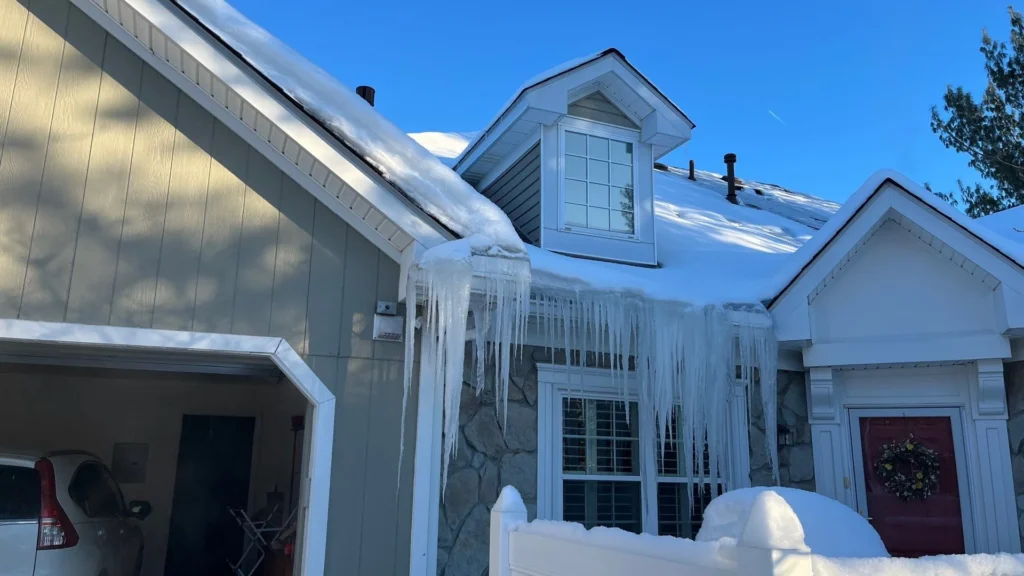
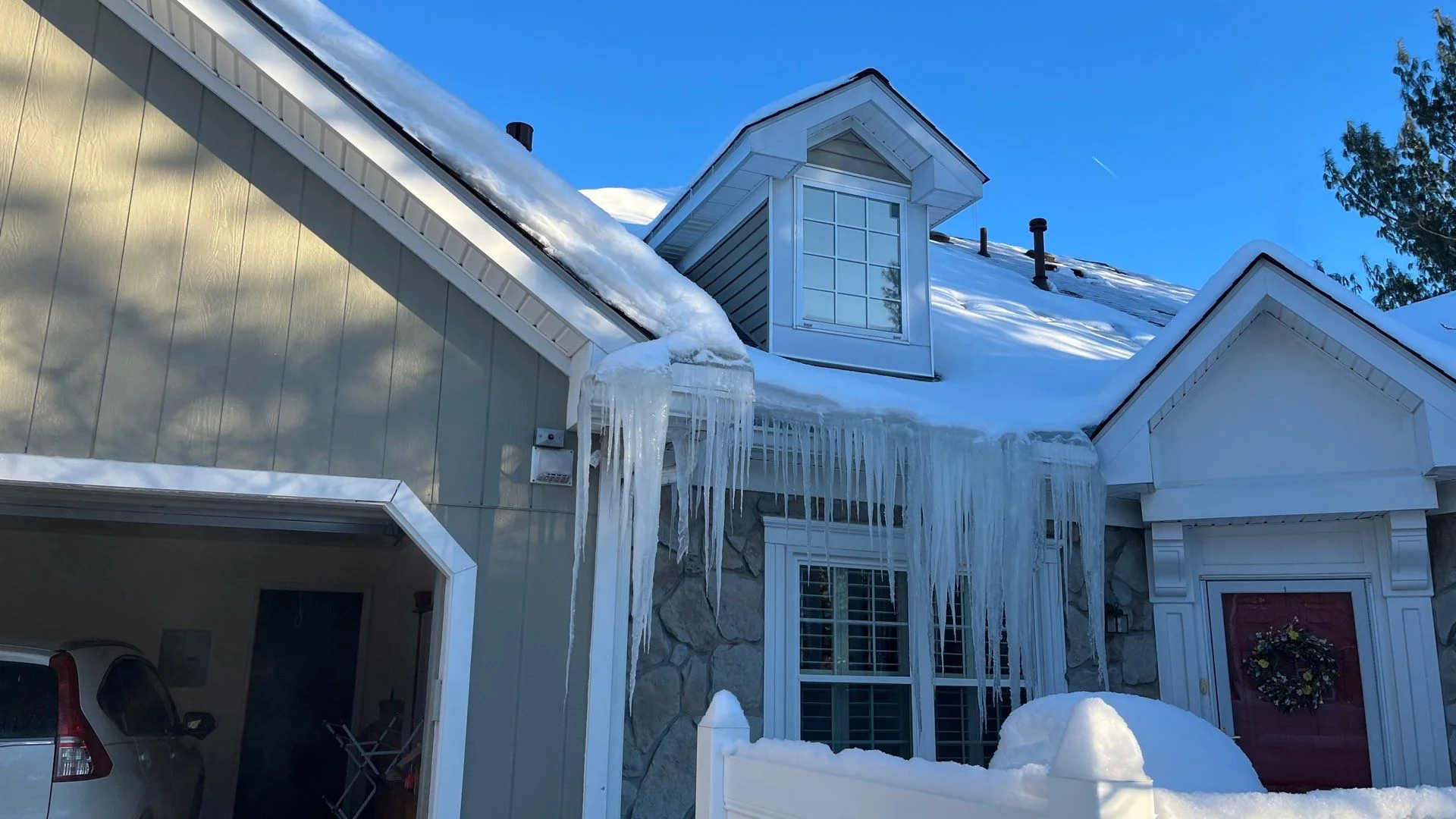
An ice dam is a ridge of ice along your roof’s edge. It blocks melting snow from draining off the roof.
Nebraska’s freeze-thaw winters make this common. Daytime melt and nighttime freezes repeat for days, building up ice layer by layer.
The 3-Stage Formation Process
- Heat escapes into the attic. Warm air leaks through light fixtures, hatches, and vent stacks.
- Snow melts unevenly. Heated roof sections melt snow while cold eaves stay frozen.
- Meltwater refreezes at the edge. Ice builds up and traps water behind it.

Why Ice Dams Damage Your Roof
They don’t just look bad. Trapped water can push under shingles and reach your attic.
- Soaked insulation that loses its R-value and can grow mold
- Stained ceilings and interior walls
- Damaged gutters, fascia, and downspouts from ice weight
- Shingle and underlayment deterioration over time
If ice has already caused a leak, our roof repair team identifies ice dam damage and repairs the affected decking or underlayment.

How to Prevent Ice Dams on Your Roof: Step-by-Step
Prevention means controlling attic heat and managing roof-edge water. Follow these steps in order.
1. Seal Attic Air Leaks
Close gaps where warm air escapes into your attic first.
- Attic hatches and pull-down stairs
- Recessed lighting fixtures
- Bathroom and kitchen exhaust fans
- Plumbing vent stacks and chimney chases
Sealing these points can cut attic heat loss by 20 to 30 percent.
2. Add Attic Insulation
Nebraska sits in Climate Zone 5. The Department of Energy recommends R-49 to R-60 attic insulation for this zone.
Many older Nebraska homes only have R-19 to R-30. Star Home’s attic insulation solutions close that gap with blown-in insulation and air sealing in one visit.
3. Balance Attic Ventilation
Insulation blocks heat. Ventilation removes what gets through. A balanced soffit-to-ridge ventilation system keeps your roof deck evenly cold. Aim for a 1:300 vent-to-floor ratio.
Not sure if your attic has enough airflow? See our guide on how much roof ventilation a Nebraska home needs.
4. Clean Gutters Before the First Freeze
- Clear leaves and debris from gutters and downspouts
- Confirm gutters are pitched toward downspouts
- Direct downspout discharge away from the foundation
- Add gutter guards if trees overhang your roof
Already seeing sagging sections or pulled brackets? That’s often ice-related gutter damage worth repairing before winter.
5. Install Heat Cables Where Needed
Heat cables help roof valleys, dormers, and shaded north-facing sections. They run in a zigzag pattern along the eaves. Heat cables support insulation and ventilation. They do not replace them.

6. Add Ice and Water Shield
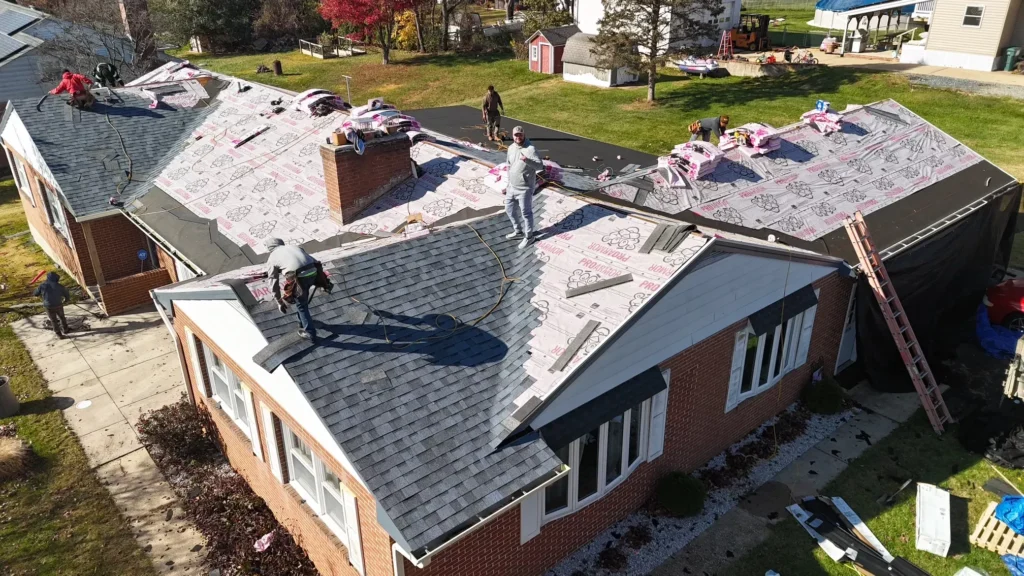
This waterproof membrane installs under shingles at eaves and valleys. Nebraska code typically requires it to extend 24 inches past the interior wall.
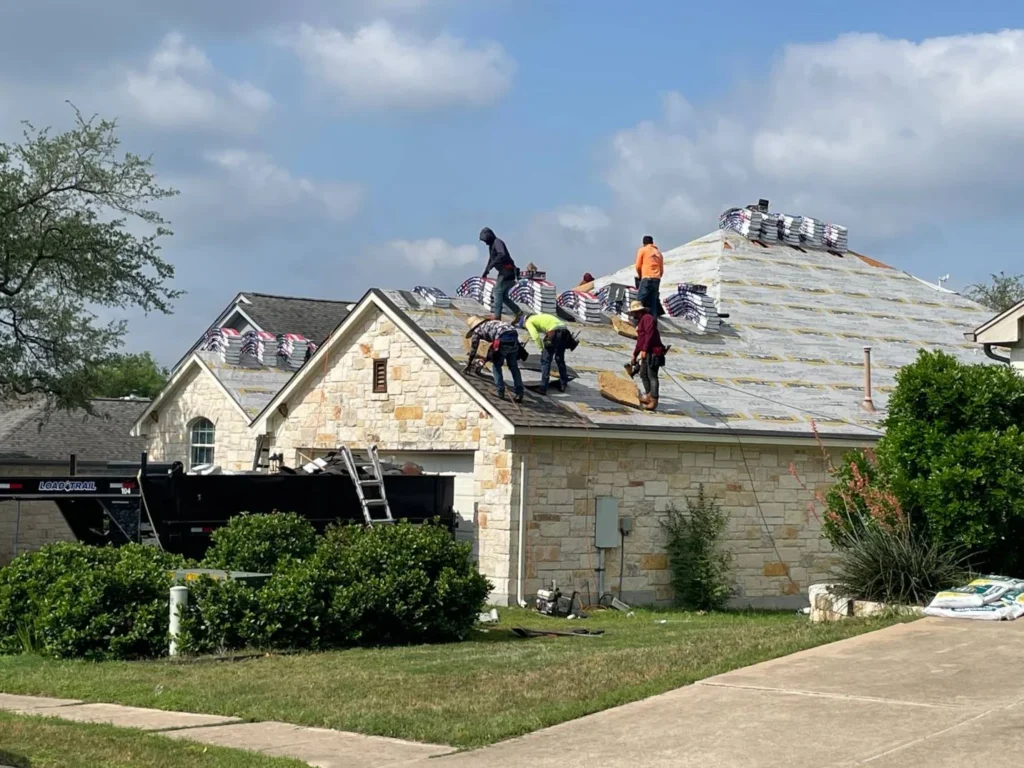
This is standard practice on every roof replacement Star Home completes.
7. Remove Snow Safely After Storms
- Use a roof rake from the ground for the lower 3 to 4 feet
- Never climb onto a snow- or ice-covered roof
- Never apply rock salt, which corrodes metal roof parts
For a complete pre-winter checklist, see our fall roof maintenance guide for Nebraska homeowners.
What NOT to Do With an Existing Ice Dam
- Don’t chip at ice with an axe or shovel. It damages shingles underneath.
- Don’t pour hot water on the ice. It refreezes into a bigger hazard.
- Don’t overuse calcium chloride or rock salt near metal flashing.
- Don’t climb on your roof to remove ice yourself.
Use a roof rake from the ground, then call a licensed contractor. If the ice dam followed hail or high winds, our storm damage roof repair team can inspect for both issues at once.
Ice Dam Prevention Costs in Nebraska
Costs vary by home size, attic access, and how much correction is needed.
- Attic air sealing: $400 to $1,200
- Blown-in insulation top-up: $1,200 to $3,500 for a typical attic
- Ventilation upgrades: $500 to $2,000
- Roof heat cables: $3 to $10 per linear foot
- Ice and water shield: about $1 to $2 per sq. ft., added during roofing work
- Gutter cleaning: $150 to $400 per visit; see current gutter installation cost for Lincoln, NE
A free inspection gives you an exact number for your home. If budget is a concern, Star Home also offers roof financing options with approval in about five minutes.
Why Choose Star Home
Star Home is a locally owned roofing company based in Lincoln, Nebraska. We serve homeowners and businesses across Nebraska and Western Iowa.
Our team brings over 30 years of combined construction and roofing expertise. We specialize in skylight repair, roof flashing replacement, chimney flashing repair, and full roof services.
What Sets Us Apart
- Locally owned and operated. We live and work in the communities we serve across Nebraska.
- Licensed, bonded, and insured. Every project is completed by qualified professionals.
- Free estimates. No pressure, no hidden fees. You get a transparent, itemized quote.
- Workmanship warranty. We back every repair with a written workmanship guarantee.
- On-the-spot financing. Options available for credit scores as low as 550, no money down.
- 24/7 emergency response. We respond fast when you have an active roof leak.
- Certified by trusted manufacturers. We use premium materials from leading industry suppliers.
Conclusion
Ice dams are predictable, which makes them preventable. Sealed attics, proper insulation, and balanced ventilation stop them at the source.
Stay updated on our services and special offers. Connect with us on Facebook, Instagram, and Google Business Profile.
Contact us today to schedule your inspection or get a free quote.
Frequently Asked Questions
Seal attic air leaks, add insulation to R-49 or higher, balance ventilation, and keep gutters clear before winter.
Heat escaping into the attic melts roof snow, which refreezes at the cold roof edge and builds an ice ridge.
Yes. Nebraska’s freeze-thaw winter pattern creates ideal conditions for them on poorly insulated roofs.
Heat cables help in problem areas, but they work best alongside proper insulation and ventilation.
The Department of Energy recommends R-49 to R-60 for Nebraska’s Climate Zone 5 attics.